Amur leopard
Panthera pardus orientalis
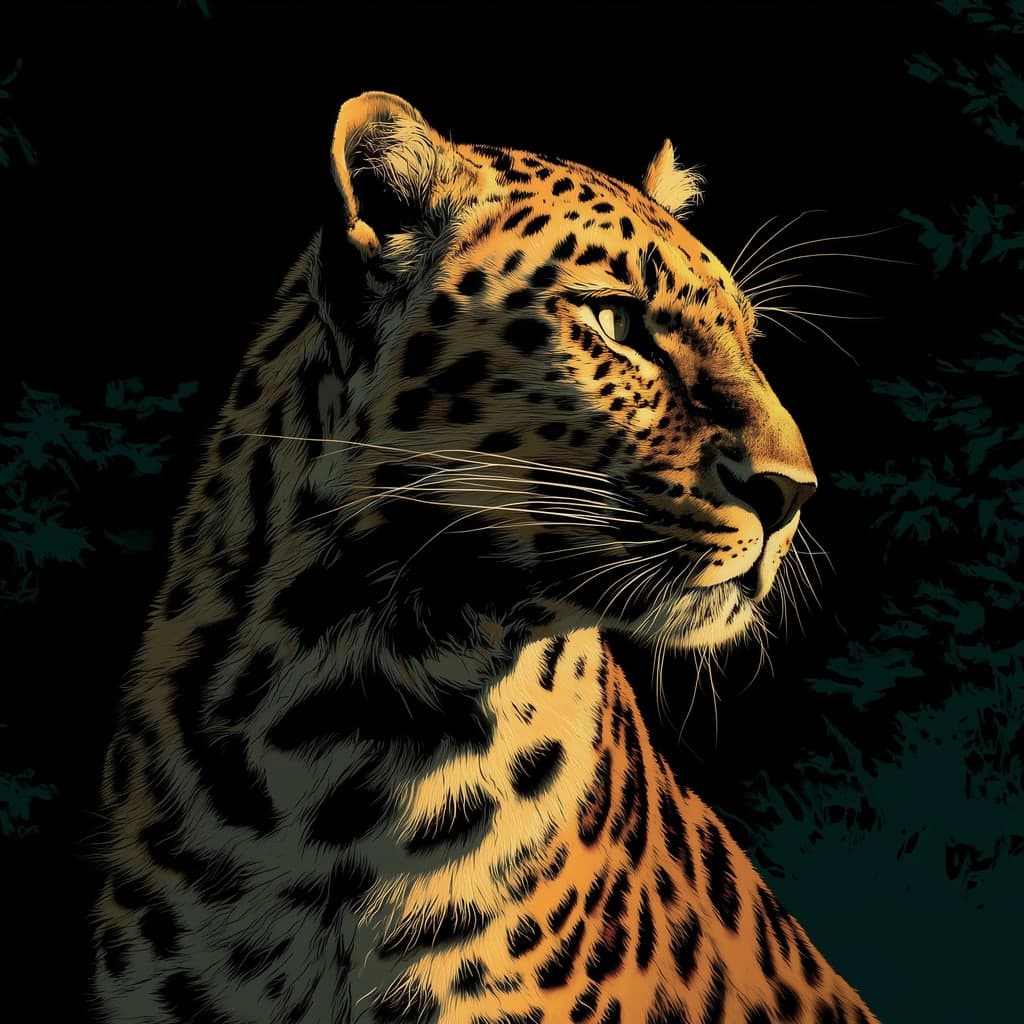
 Seen by the oracle
Its power
It lives where no other leopard can survive: in a forest at minus thirty degrees.
Estimated wild population
About 100 in the wild (Russian Far East)
Trend
Slightly increasing (from 30 to 100 since 2007)
Range
Russian Far East (Primorsky Krai) / northeast China
Main threat
Deforestation and fires, poaching, pressure from farming, genetic fragmentation
Meet it
It really exists. It is waiting for you at the Parc Animalier d’Auvergne.
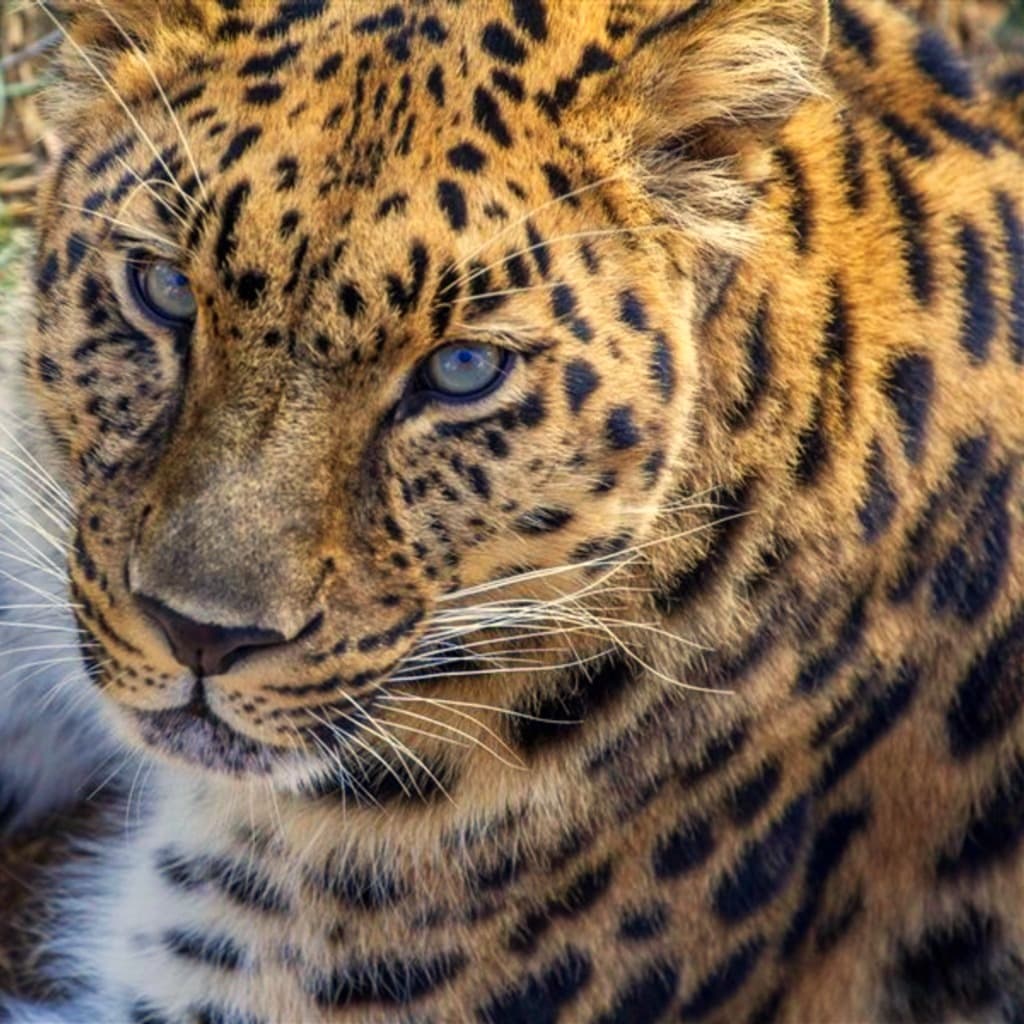
The Amur leopard is the rarest big cat in the world: fewer than about a hundred survive in the wild, in the temperate forests of the Russian Far East and northeast China. Its coat is unique among leopards: its rosettes are bigger, more spread out and paler than in other subspecies, making a golden cream coat in winter. It is built for the Siberian cold and can cope with temperatures of -30 °C. It lives alone and hunts at night, and it can carry prey twice as heavy as itself to the top of a tree. Deforestation, forest fires and poaching for its fur and bones have shrunk its range by 90% over the last century.
What the Park does
Land of the Leopard nature reserve (Russia), EEP programme, planned reintroduction in China